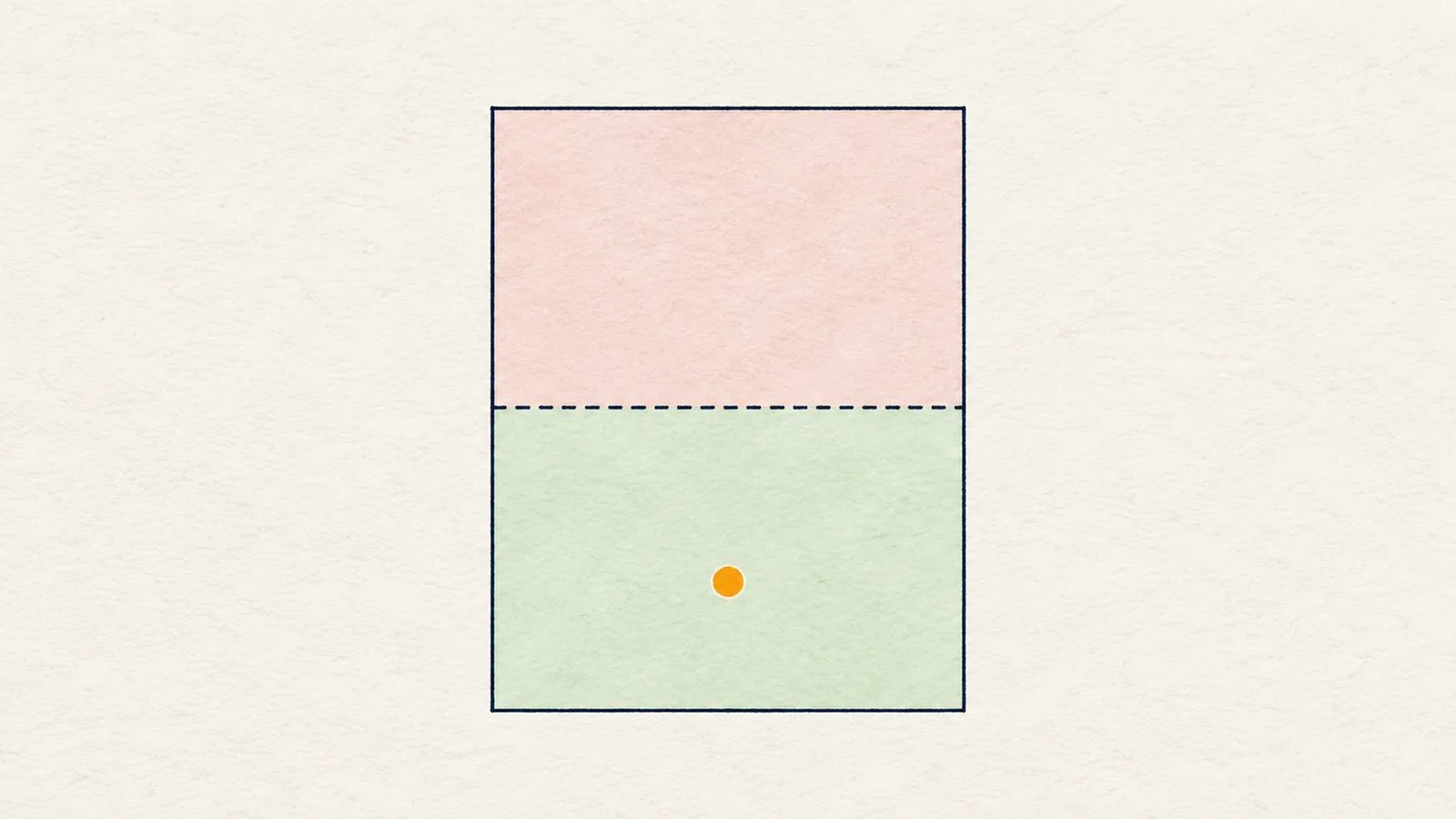
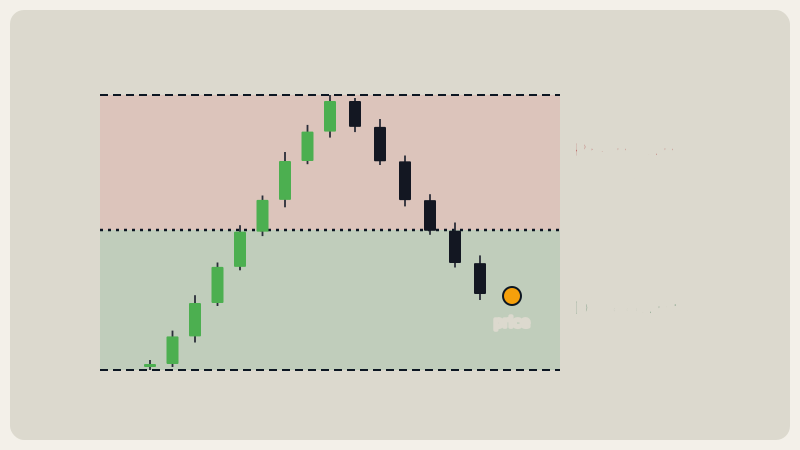
Premium and discount zones divide a price range into an upper and a lower half around its midpoint, the 50% equilibrium. Price in the upper half is called premium and price in the lower half is called discount. Traders use the split to judge whether a level is expensive or cheap relative to the most recent swing high and swing low.
What are premium and discount zones?
Take the latest swing high and the latest swing low. Between them is a trading range. Mark the exact middle of that range: that is the equilibrium.
- Above the middle you are in premium: price is relatively high inside the range.
- Below the middle you are in discount: price is relatively low inside the range.
The labels are about position, not about value in any absolute sense. A coin can be in discount of a small range and still be expensive compared with last month. Everything is relative to the two swing points you picked, which is why choosing them correctly matters more than the line itself.
Here is a made-up round example. Say the swing low is 100 and the swing high is 200. Equilibrium is 150. A price of 180 is at 80% of the range, deep in premium. A price of 120 is at 20%, in discount. At 150 exactly, price is at equilibrium and the range tells you nothing.
Why do traders care where price is inside the range?
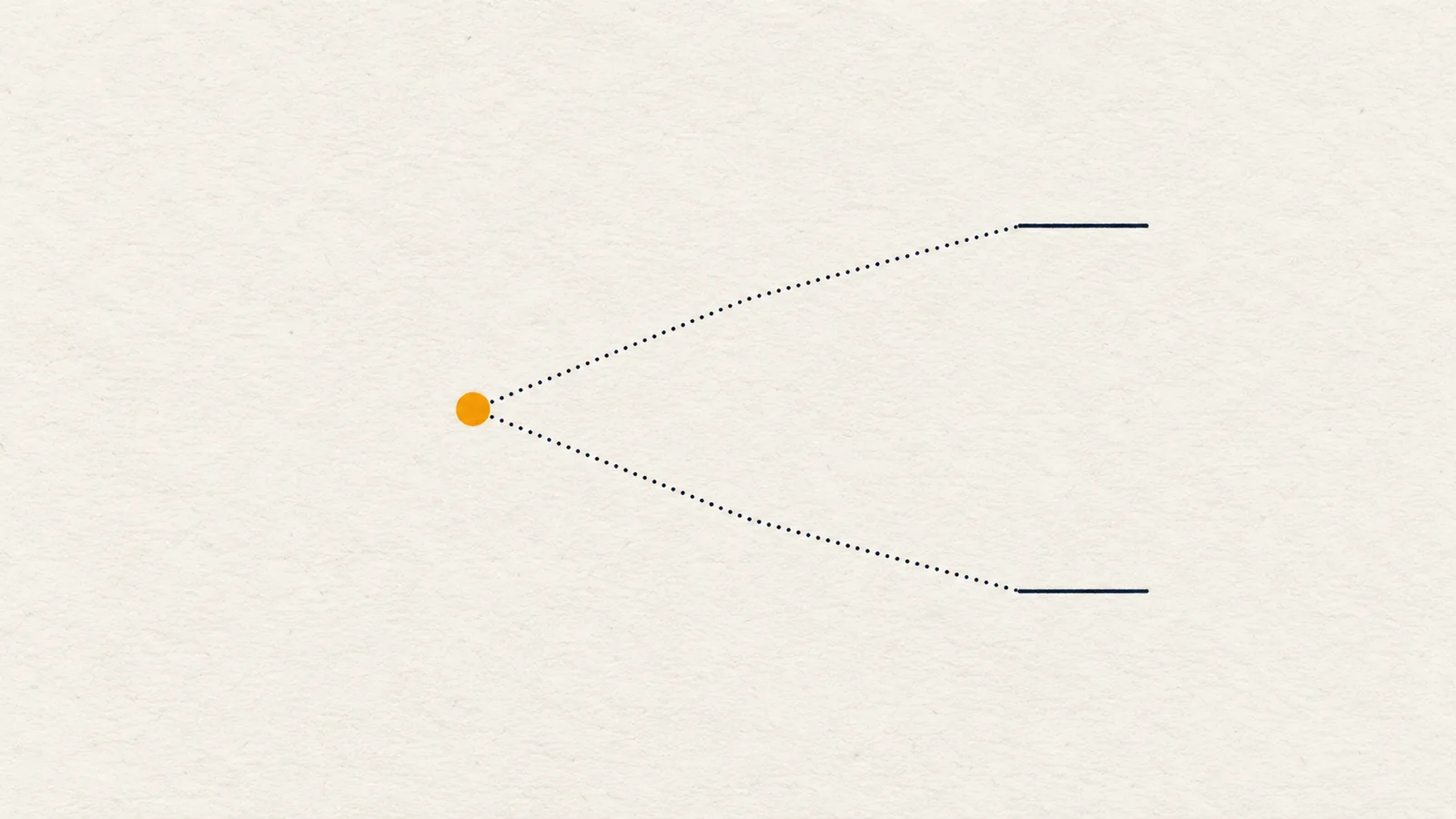
Because the same idea is cheaper or more expensive depending on where you act on it. If you think a coin is bullish, buying near the swing low of the range gives you a close, clear place to be wrong: just under that low. Buying near the swing high gives you either a far-away invalidation or a tiny reward before price meets the high again.
That is the practical core: location changes the reward-to-risk of the same idea. Premium and discount is a cheap way to see location at a glance.
A second reason is behavioural. Entries made in premium are often made by someone reacting to a move that has already happened, which is exactly when a plan has the least room for error. Seeing the location first helps you notice when you are about to do that.
Why is buying in premium during an uptrend "chasing"?
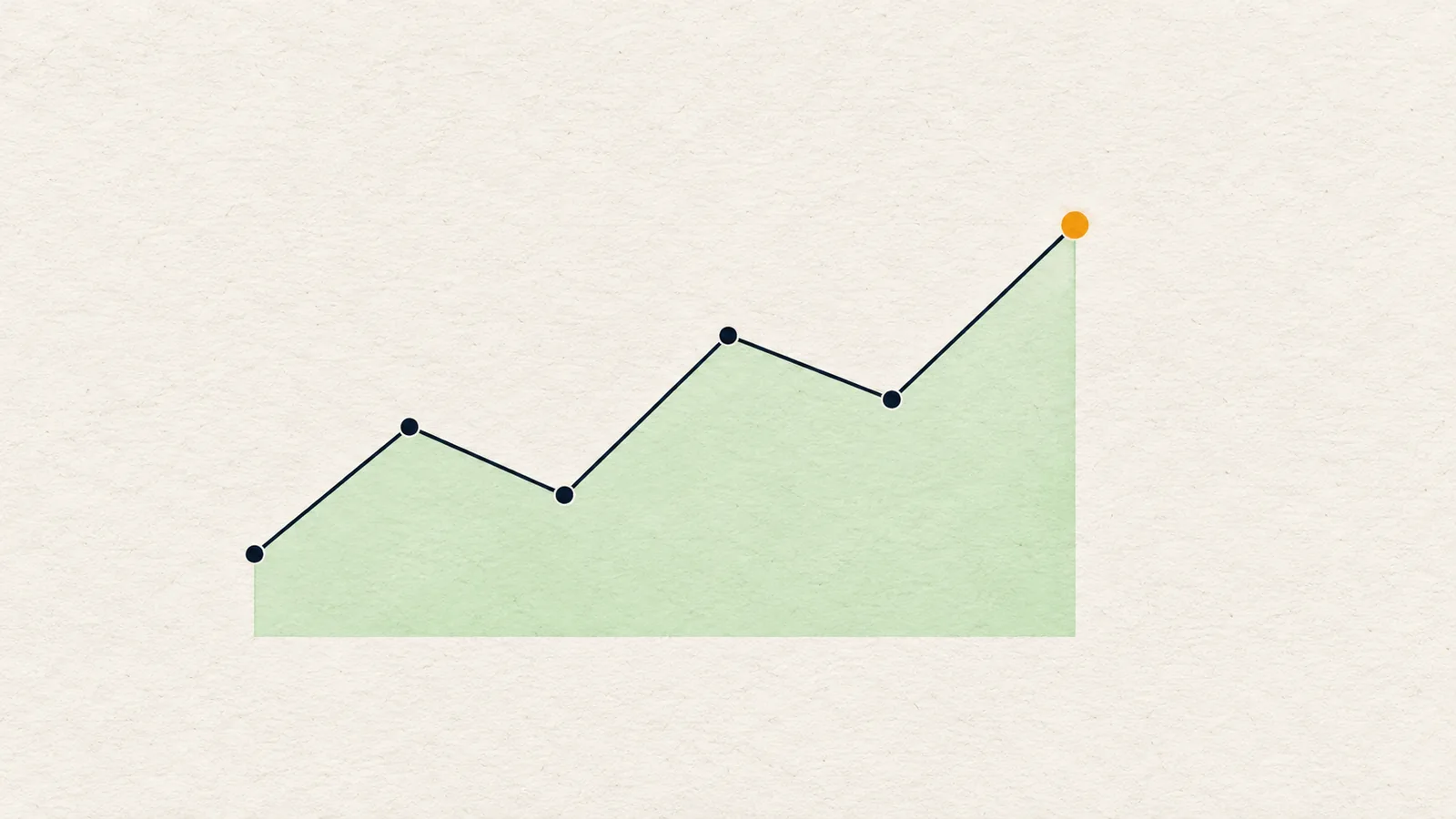
In an uptrend, structure prints higher highs and higher lows (see market structure). Each pullback finds a new higher low. The easy trade to want is "buy because it is going up", and that usually happens when price is already near the top of the latest range, in premium.
The trouble is arithmetic, not mystery:
- In premium, the protective swing (the last higher low) is far below you.
- To keep the same risk, you must size down, or accept a wider stop.
- The upside to the next obstacle is often small because price is already near the last high.
So the trade has poor reward-to-risk even if the trend is real. Waiting for a pullback into discount means you can be right about the trend and still pay a better price.
The reverse holds in a downtrend. Selling in discount is chasing; rallies into premium are where a bearish idea has the tightest invalidation, just above the last lower high.
How do you combine premium/discount with zones and structure?
Discount alone is not a reason to buy. Cheap can get cheaper. A workable checklist for a bullish idea:
- Trend first. Is structure making higher highs and higher lows on the timeframe you trade? If not, the range is just a box.
- Locate the range. Use the latest confirmed swing high and swing low.
- Find where price is. Above 50%, you are in premium: be patient. Below 50%, discount: the location is acceptable.
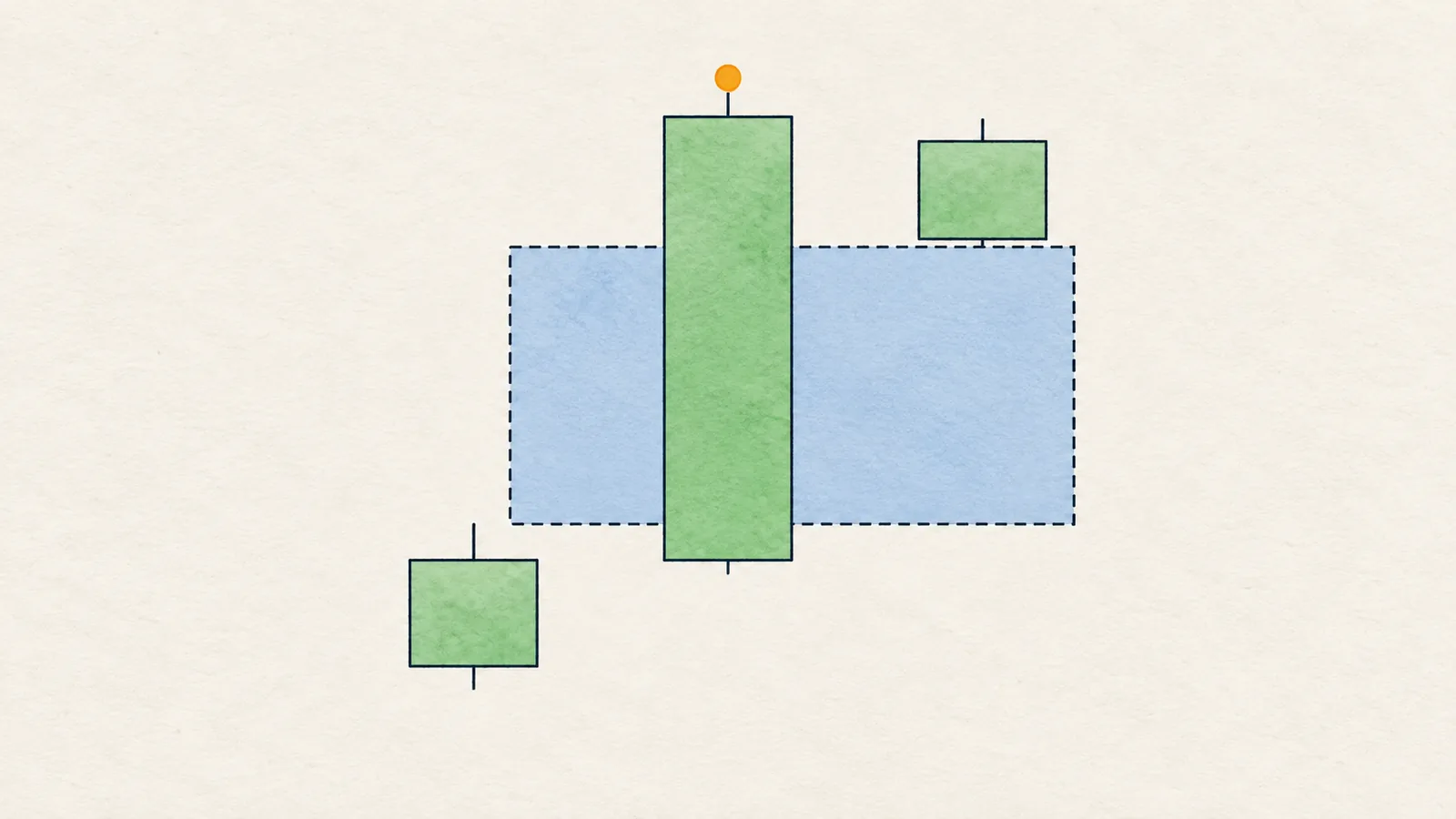
- Look for a reason to act at that level. A fair value gap, a prior swing, a daily or weekly open, or a demand area that sits in discount is a better candidate than an empty price.
- Define invalidation. Normally the last higher low. A close beyond it means the idea is wrong, not that you should average down.
- Wait for confirmation. A rejection wick, a bullish engulfing or a lower-timeframe shift back up, not just a touch.
Notice that discount appears as step 3 of 6. It narrows the search; it does not make the decision.
What does it look like on a real chart?
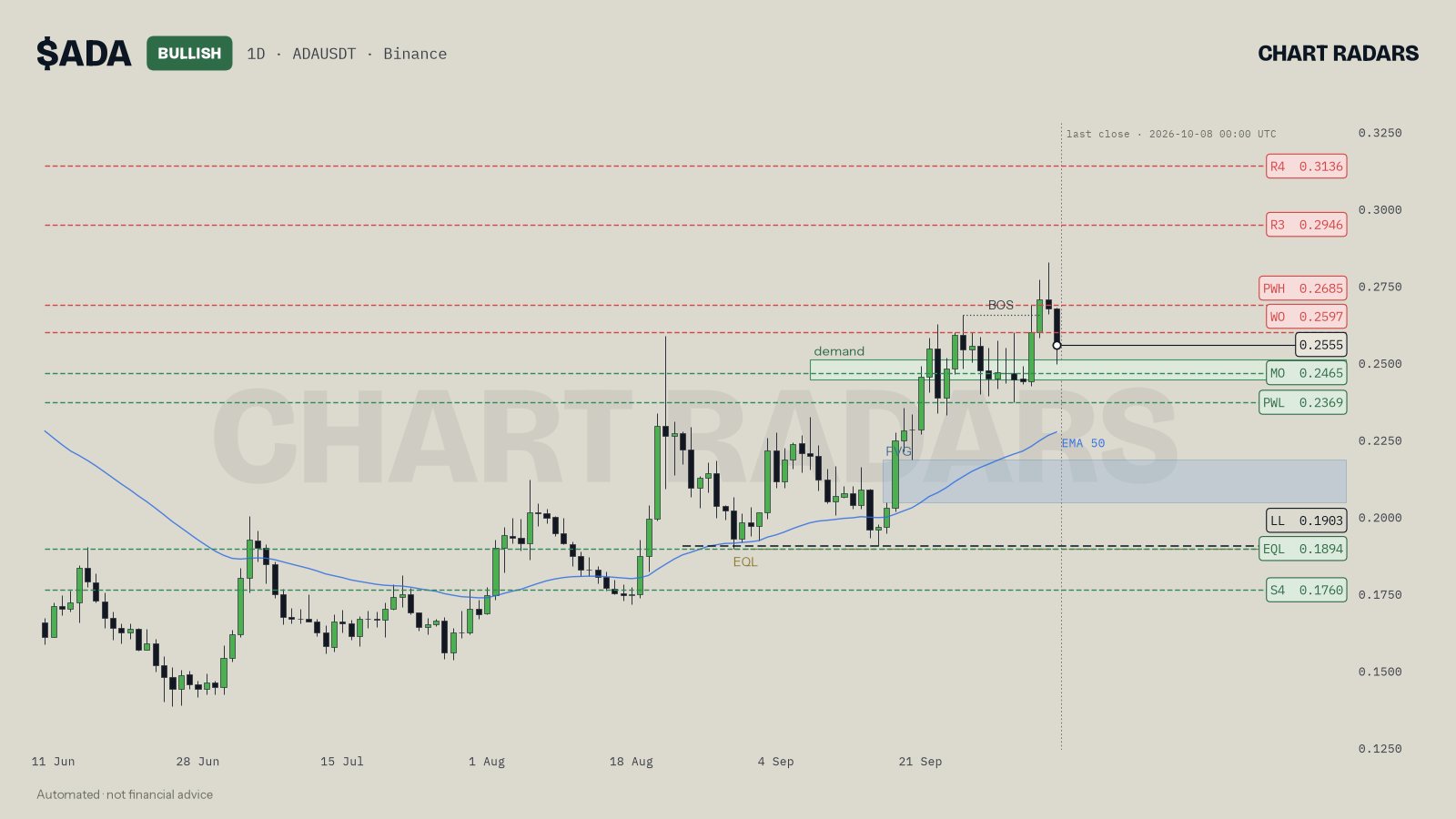
ADA 1D, 8 Oct 2026. The read is bullish, with 1D and 1W structure both bullish. The latest swing range runs from 0.2369 to 0.2654, and the last close at 0.2555 sits at about 65% of it, in premium. The same read does not say "buy here". Its preferred long zone is lower, at 0.2443–0.2509 (demand). By simple arithmetic on those numbers that zone covers roughly 26% to 49% of the range, which is discount. The read also keeps the idea alive only while 0.1903 holds. This is the premium-versus-chasing logic in one picture: bullish bias, price already high in the range, and a plan that waits for a better location.
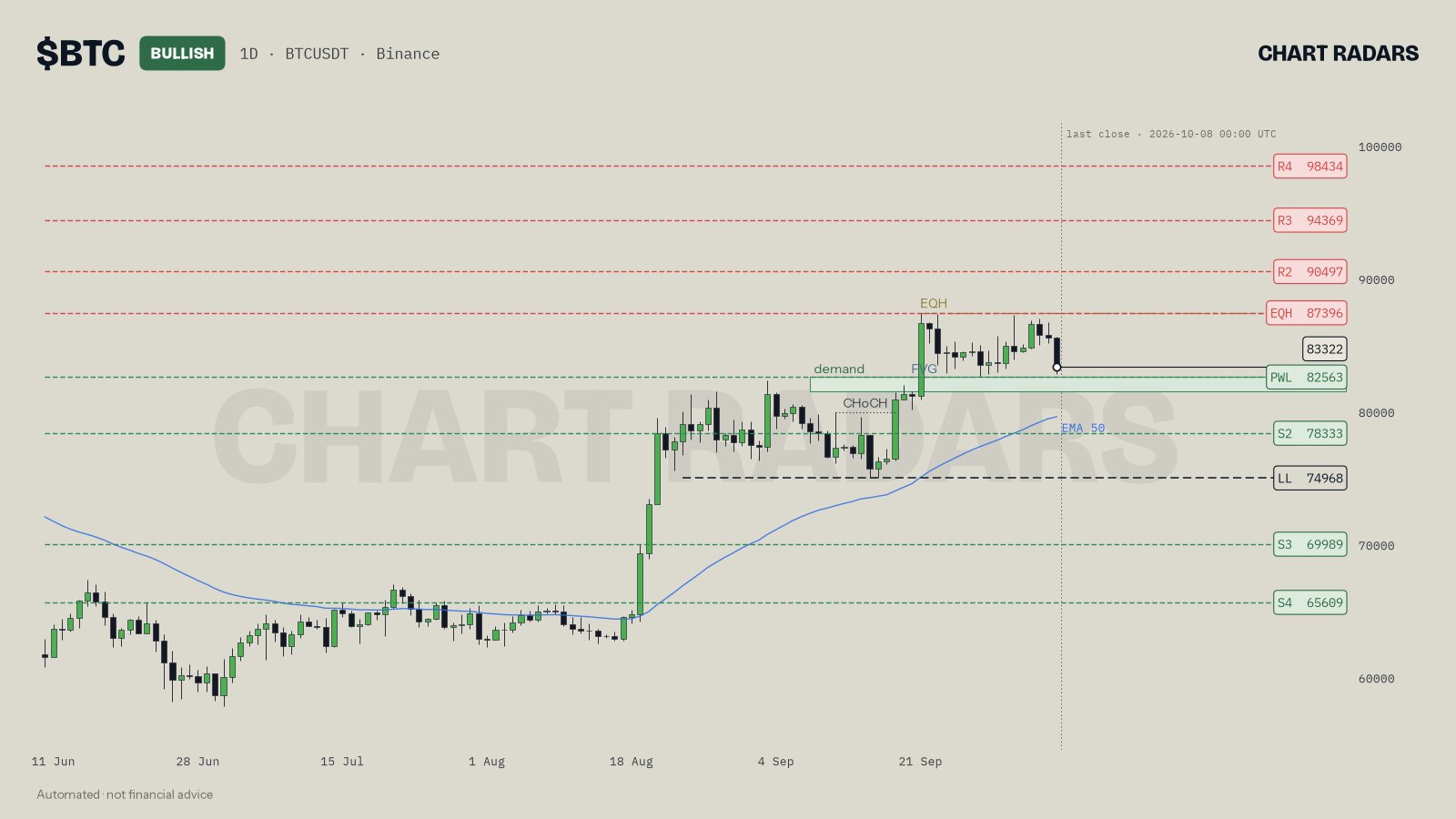
BTC 1D, 8 Oct 2026. Here the last close of 83322 sits at about 16% of the 82563–87220 range, so price is already in discount. The read is still not a call to act at once: it expects a pullback into 81497–82563 (demand plus a fair value gap) and wants a long lower wick, a bullish engulfing or a 5m/15m structure shift there before acting. Discount told you the location is reasonable; it did not replace the zone, the trigger or the invalidation at 74968.
What happens when price leaves the range?
Premium and discount only describe price inside a range. If price closes beyond the swing high or swing low, there is no 0%–100% scale for it. Two things can follow, and you cannot know which in advance:
- A breakout that holds. New swings form and a new range appears. The old equilibrium becomes just another level.
- A false move that returns. Price re-enters the range, and the old equilibrium matters again.
The conditional plan is simple. If price closes beyond the range high and holds, treat the move as a structure change and wait for a new pullback inside the new range. If price pokes outside and closes back inside, treat the old range as still valid.
When does premium and discount mislead you?
- Tiny ranges. If the swing high and low are only a few candles apart, 50% is noise. Compare the range with the coin's typical movement (ATR, the average size of a candle's range) before trusting the label.
- Wrong swings. One stale swing from weeks ago makes the whole scale meaningless. Use the latest confirmed ones on your timeframe.
- Strong trends. In a powerful move, price may never retrace to discount. If your rule is "only buy in discount", you can sit out an entire trend. That is a cost you accept knowingly, not a flaw you ignore.
- Mixing timeframes. A 1H discount can sit inside a 1D premium. Say out loud which timeframe your range belongs to.
- Treating 50% as magic. Price does not respect the exact midpoint. Think of the equilibrium as a zone around the middle rather than a line.
In Chart Radars: a swing high or low is a candle with three lower highs (or three higher lows) on each side, so it is confirmed three candles late. The engine takes the last confirmed swing high and swing low and places price in that range, 0% at the low and 100% at the high; the upper half is premium and the lower half is discount. If price is outside the range, no percentage is printed. The pullback zone is separate: an open FVG and/or the nearest level (within 0.2 ATR), at most 5 ATR from price and never beyond the protecting swing. Invalidation is the nearest swing that carries the direction, between 1 and 6 ATR from the entry.
Honest note: premium and discount is a way to describe location, not a forecast. Price in discount can keep falling and price in premium can keep rising. Chart Radars itself treats a trend label as a map of conditions rather than a prediction, because in our own backtest the trend label alone did not show a strong directional edge. Use location to improve the price you pay for an idea you already have, not to create the idea.
How do you plan with premium and discount (if/then)?
Turn the concept into conditional statements you can write down before price moves:
- If structure is bullish and price is in premium, then wait for a pullback into a zone in discount; do not add on strength.
- If price reaches a zone in discount and a lower-timeframe structure shift back up prints, then the entry has a trigger; the invalidation is below the last higher low.
- If price closes beyond the last higher low, then the idea is void, whatever the percentage said.
- If price closes above the range high and holds, then the range is replaced; wait for new swings before using the percentage again.
- If structure is bearish, mirror everything: sell rallies into premium, not breaks into discount.
Writing it this way removes the guesswork. You are never predicting; you are deciding in advance what you will do if each condition happens.
Key takeaways
- Premium is the upper half of the latest swing range and discount is the lower half, split at the 50% equilibrium.
- In an uptrend, buying in premium usually means a far invalidation or a small reward: that is what "chasing" means.
- Discount narrows the search for entries; a zone, a trigger and a clear invalidation still make the decision.
- When price closes outside the range, the percentage stops meaning anything until new swings confirm.
- Plan with if/then statements, and treat the label as location, never as a forecast.
Frequently asked questions
What is the equilibrium in premium and discount?
It is the 50% midpoint between the latest swing high and swing low. Above it price is in premium, below it price is in discount.
Should I only buy in discount and sell in premium?
It is a useful filter, not a rule. In a strong trend price can stay in premium for a long time, so you also need structure, a zone and a clear invalidation.
How do you draw a premium and discount range?
Mark the most recent confirmed swing high and swing low, draw a line halfway between them, and read where the last close sits as a percentage from 0% (low) to 100% (high).
What happens when price leaves the range?
The range no longer describes the market. A close beyond the swing high or low means a new swing structure is forming, so the old percentage stops being meaningful until new swings confirm.
Does premium and discount work on every timeframe?
The idea works on any timeframe, but the range comes from that timeframe's swings. A 1D discount can sit inside a 4H premium, so check both before you act.